Many basketball players stretch every day but still struggle to dunk or improve their vertical leap. So the big question is:
Can stretching actually increase your vertical jump?
The short answer:
Stretching can help — but only if you do the right type at the right time.
Does Stretching Help You Jump Higher?
Dynamic stretching before training can improve vertical jump performance by increasing muscle activation, mobility, and force production. However, long static stretching immediately before jumping may temporarily reduce explosive output.
Stretching improves range of motion and joint mobility, which supports better jump mechanics. But stretching alone will not dramatically increase your vertical leap without strength and power training.

Dynamic vs Static Stretching
Not all stretching affects performance the same way.
Dynamic Stretching
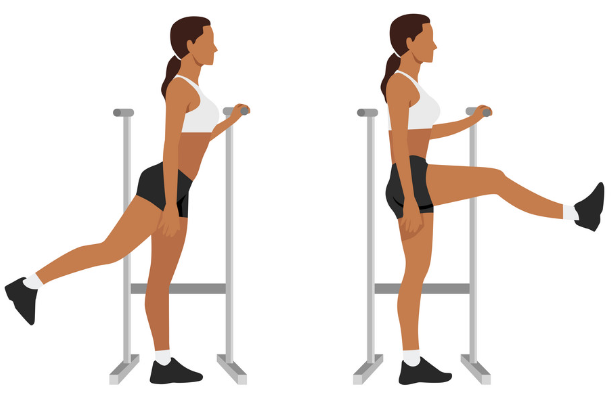
Dynamic stretching involves movement-based exercises that increase blood flow and activate fast twitch muscle fibers. Examples include leg swings, walking lunges, and high knees.
Dynamic stretching improves neuromuscular activation and prepares the body for explosive movement.
Static Stretching
Static stretching involves holding a stretch for 20–60 seconds. While helpful for flexibility, long static holds immediately before jumping can temporarily reduce force production.
For vertical jump improvement, dynamic stretching is far more effective before workouts or games.
How Mobility Affects Vertical Jump
Mobility plays a major role in explosive power. Limited hip mobility or ankle mobility can restrict your ability to load properly before takeoff.
Key areas affecting vertical jump:
- Hip flexors
- Glutes
- Hamstrings
- Ankles (dorsiflexion)
Improved mobility allows better jump mechanics and more efficient force transfer from the ground up.
Athletes with strong mobility often generate more explosive power because they can move through full ranges of motion safely and efficiently.
Best Stretches to Improve Vertical Jump
Here are the most effective stretches for supporting vertical jump performance:
1. Leg Swings
Improves hip flexibility and activates glutes.
2. Walking Lunges
Builds mobility while activating lower body muscles.
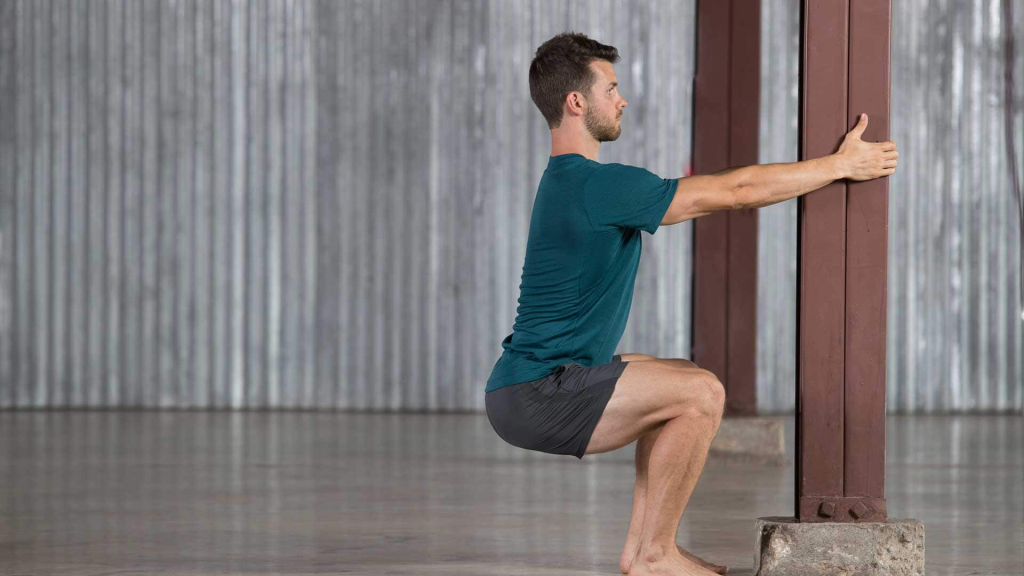
3. Deep Squat Mobility Hold
Improves hip and ankle flexibility.
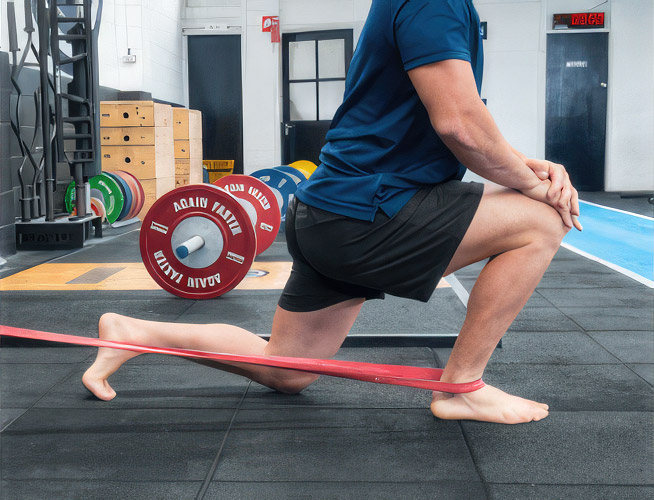
4. Hip Flexor Stretch
Reduces tightness that can limit explosiveness.
These stretches should be performed dynamically before workouts, not as long static holds before jumping.
When Stretching Can Hurt Your Vertical
Stretching can actually reduce jump performance if:
- You hold static stretches too long before max jumps
- You overstretch without strength training
- You skip activation exercises
Stretching improves flexibility — but explosive power comes from strength training, plyometrics, and proper jump mechanics.
Mobility supports performance. It does not replace training.
8-Minute Pre-Jump Warmup Routine
To properly prepare for vertical jump training:
- 30 seconds high knees
- 10 leg swings each leg
- 10 walking lunges
- 10 glute bridges
- 5 practice jumps at 60% effort
This routine activates fast twitch muscle fibers and prepares the nervous system for explosive performance.
Conclusion
Stretching alone will not dramatically increase your vertical jump. However, the right type of dynamic stretching and mobility work improves jump mechanics, explosive power, and injury prevention.
To truly increase your vertical leap, stretching must be combined with structured strength training and plyometrics.
If you’re serious about jumping higher and dominating on the court:
Start the VertMaxx Vertical Training Program today.