Introduction
When athletes think about jumping higher, they often focus only on lifting heavier weights or doing explosive jump workouts. While those methods are important, they only work well when the athlete has a solid base of overall fitness.
Being fit is more than just strength or speed. It includes conditioning, mobility, coordination, endurance, and body control. Athletes who are generally fit can train harder, recover faster, and perform better during games and competitions.
If you want a complete breakdown of everything that goes into improving your jump height, check out our full guide on how to increase your vertical jump. This article focuses specifically on how general fitness supports vertical jump performance and helps athletes reach their full potential.
What Does “Being Fit” Mean for Jump Athletes?
For athletes who want to jump higher, fitness goes beyond running on a treadmill or being lean. True athletic fitness includes several key components:
- Cardiovascular endurance
- Muscular endurance
- Mobility and flexibility
- Coordination and balance
- Healthy body composition
Each of these plays a role in how well your body handles explosive movements like jumping. When one area is weak, performance often suffers.

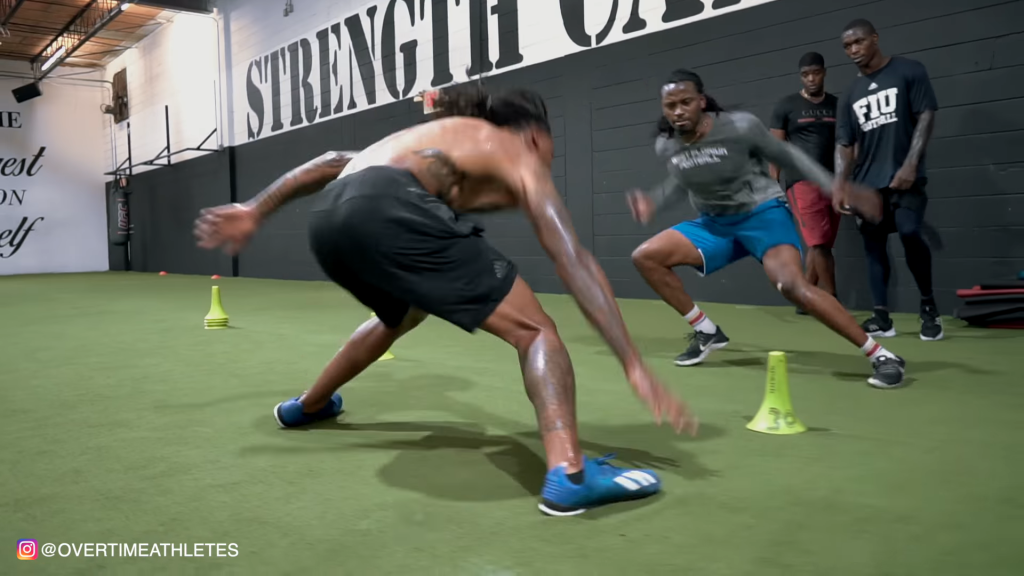
Cardiovascular Fitness and Vertical Jump Performance
Cardiovascular fitness doesn’t directly increase your vertical jump, but it strongly affects how well you can train and perform.
Better conditioning allows athletes to:
- Recover faster between sets
- Maintain jump height throughout workouts
- Stay explosive later in games
- Train more consistently over time
Athletes with poor conditioning often notice their jump height drop as they become fatigued. Improving cardiovascular fitness helps maintain power output when it matters most.
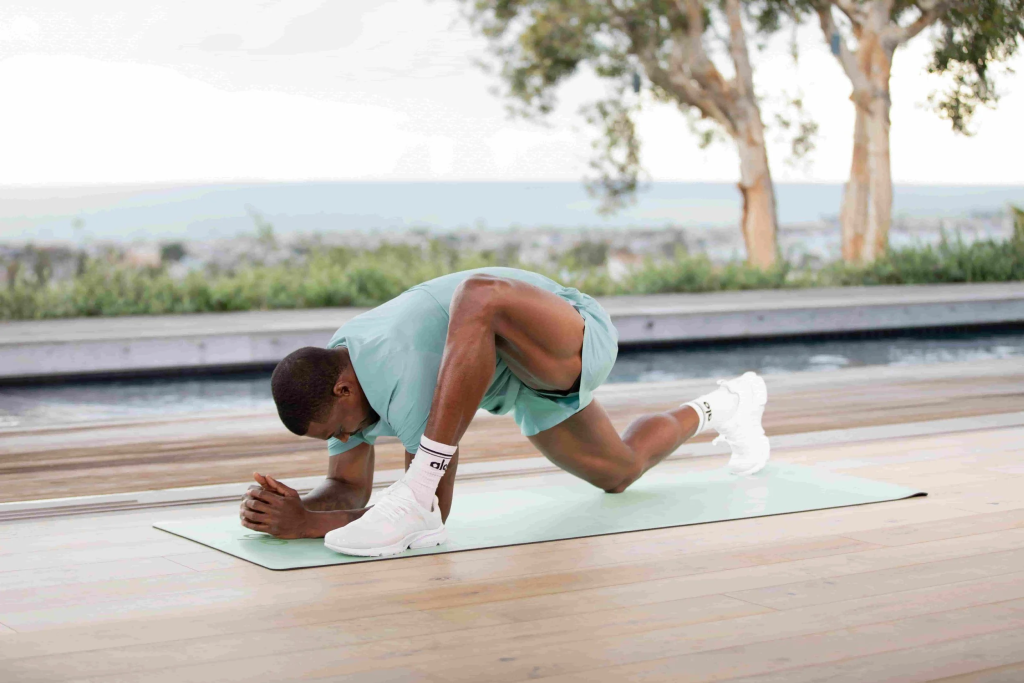
Mobility and Flexibility Support Explosive Movement
Limited mobility can prevent athletes from reaching full extension during a jump. Tight ankles, hips, or calves restrict movement and reduce force output.
Key mobility areas for jump athletes include:
- Ankles
- Hips
- Hamstrings
- Calves
Improving flexibility and mobility allows the body to move more efficiently, leading to better jump mechanics and reduced injury risk.
Body Composition and Jump Efficiency
Body composition plays a major role in vertical jump performance. Carrying excess body weight makes it harder to leave the ground, even for strong athletes.
Maintaining a healthy, athletic body composition helps:
- Improve power-to-weight ratio
- Reduce stress on joints and tendons
- Improve endurance
- Enhance overall movement efficiency
This doesn’t mean extreme dieting. It means fueling your body properly and maintaining a weight that supports performance.
Fitness Improves Training Consistency
One of the biggest benefits of being fit is consistency. Athletes who are generally fit:
- Miss fewer training sessions
- Handle higher training volumes
- Recover more quickly
- Stay healthier throughout the season
Consistency is what leads to long-term improvement. Small, steady gains over time produce better results than short bursts of extreme training followed by burnout or injury.
How Fitness Supports Other Jump Training Methods
Overall fitness makes all other training methods more effective. Strength training, plyometrics, and technique work all benefit when an athlete has good conditioning and mobility.
When fitness improves:
- Strength gains translate better to jumping
- Plyometric training feels more controlled
- Technique improvements are easier to apply
- Recovery between sessions improves
Fitness acts as the foundation that supports every other aspect of vertical jump training.
Conclusion
Jumping higher isn’t just about explosive workouts or heavy lifts. Overall fitness plays a critical role in how well those methods work and how consistently you can train.
By improving conditioning, mobility, and body control, athletes can support their jump training and reduce the risk of injury. When fitness is combined with proper strength training, plyometrics, technique, and recovery, vertical jump performance improves more reliably over time.
To see how all of these elements fit together, read our complete guide on how to increase your vertical jump.