Introduction
Jumping higher is one of the most desired athletic skills in sports like basketball, volleyball, and football. A higher vertical jump doesn’t just look impressive — it translates directly into better performance, explosiveness, and confidence on the court or field.
Many athletes spend years doing random workouts hoping to jump higher, but real progress only comes when training is structured around the science of vertical jump performance. Strength, power, speed, recovery, and mindset all play a role, and neglecting even one can limit results.
In this guide, you’ll learn exactly how to increase your vertical jump using proven, science-backed methods. Whether you’re a beginner or an experienced athlete, this guide will help you train smarter, avoid plateaus, and unlock your true jumping potential.
What Determines Your Vertical Jump?
Your vertical jump is not determined by just one thing. It’s the result of multiple physical and neurological factors working together.
Key components include:
- Lower-body strength
- Rate of force development
- Elastic tendon response
- Jump technique
- Recovery and fatigue management
- Mental intent and confidence
Improving your vertical jump requires addressing all of these areas rather than focusing on just one.
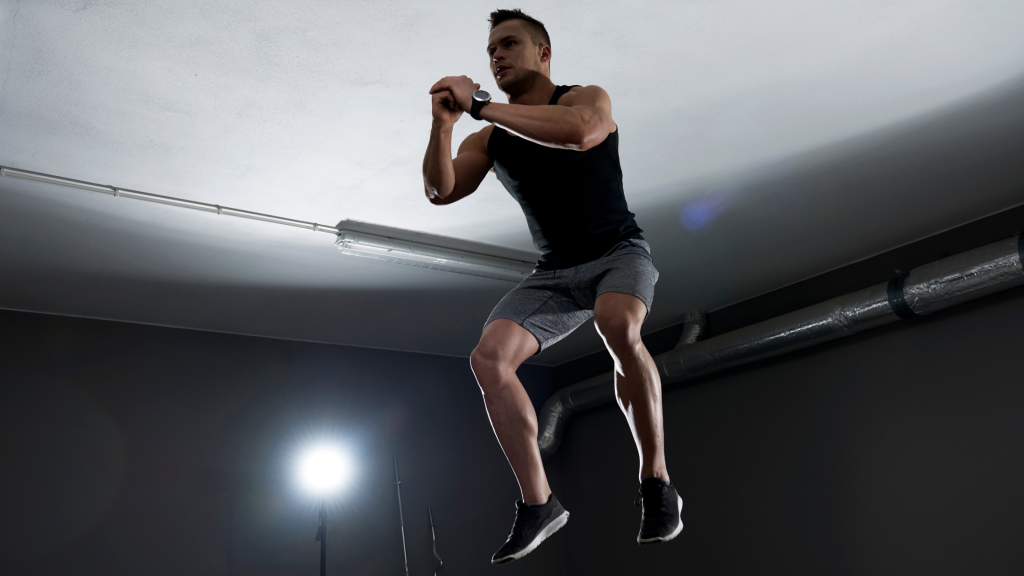
Strength Training — The Foundation of Jumping Higher
Strength training is the foundation of vertical jump improvement. Without sufficient force production, explosive movements like jumping are limited.
Key strength exercises for vertical jump development include:
- Back squats
- Front squats
- Deadlifts
- Bulgarian split squats
- Trap bar deadlifts
These exercises build the raw force necessary to propel your body off the ground.
Athletes who increase their maximal strength often see immediate improvements in jump height, especially beginners. However, strength alone is not enough — it must be converted into explosive power.
IMAGE PLACEMENT #2

Plyometric Training for Explosiveness
Plyometric training focuses on improving how quickly you can apply force. This is known as rate of force development and is critical for jumping higher.
Effective plyometric exercises include:
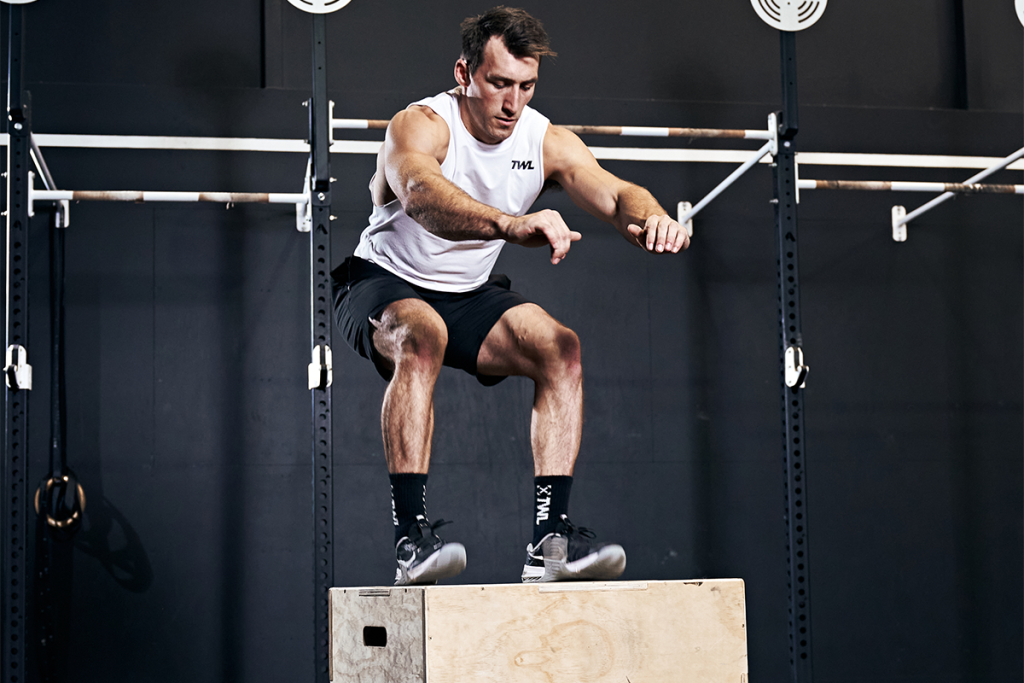
- Box jumps
- Depth jumps
- Broad jumps
- Tuck jumps
- Pogos
Plyometrics train the muscles and tendons to store and release energy rapidly. When combined with strength training, they dramatically improve vertical jump performance.
To avoid injury, plyometrics should be performed when the athlete is fresh and volumes should be carefully managed.
Speed, Technique, and Jump Mechanics
Many athletes leave inches on the table due to poor jumping technique.
Important technical elements include:
- Arm swing timing
- Penultimate step mechanics
- Proper shin angle at takeoff
- Efficient use of hips and ankles
Improving technique can often lead to immediate jump height increases without adding any strength at all.

Recovery and Injury Prevention
Recovery is one of the most overlooked aspects of vertical jump training. Jumping is extremely demanding on the nervous system and connective tissues.
Key recovery strategies include:
- Getting 7–9 hours of sleep
- Managing weekly jump volume
- Stretching and mobility work
- Tendon strengthening
- Scheduled rest days
Athletes who recover better can train harder and more consistently over time.
For a deeper breakdown, read Recovery and Injury Prevention for Jump Athletes (internal link).
The Mental Side of Jump Trainin
Mental focus and intent play a huge role in explosive performance. Athletes who approach jumps with confidence and aggression consistently outperform those who hesitate.
Mental strategies include:
- Visualization
- Intent-based training
- Confidence building
- Avoiding overthinking mechanics during competition
Conclusion
Increasing your vertical jump requires a complete approach. Strength builds the engine, plyometrics unlock explosiveness, technique refines efficiency, recovery sustains progress, and mindset ties it all together.
If you want to jump higher, train smarter — not harder.
To dive deeper into each area, check out these guides:
- The Power of Plyometric Workouts – Explosive Training
- Why Strength Training Is the Secret to Jumping Higher
- Recovery and Injury Prevention for Jump Athletes