How to Dunk a Basketball: Step-by-Step Guide for Beginners

Dunking a basketball is one of the most exciting skills in the game—but it isn’t just about height. With the right jumping technique, strength training, and practice progression, many players can learn how to dunk, even if they aren’t exceptionally tall.
This guide breaks down exactly how to dunk a basketball, step by step, in a way that’s realistic, safe, and proven.
What Does It Take to Dunk a Basketball?
To dunk on a regulation 10-foot rim, you generally need to:
- Jump 6–12 inches above the rim
- Control the ball with one or two hands
- Generate explosive power from your legs and hips
Key factors that affect dunking ability:
- Vertical jump height
- Body weight & strength
- Jumping technique (one foot vs two feet)
- Ball control and grip strength
Good news: vertical jump and technique can be trained.
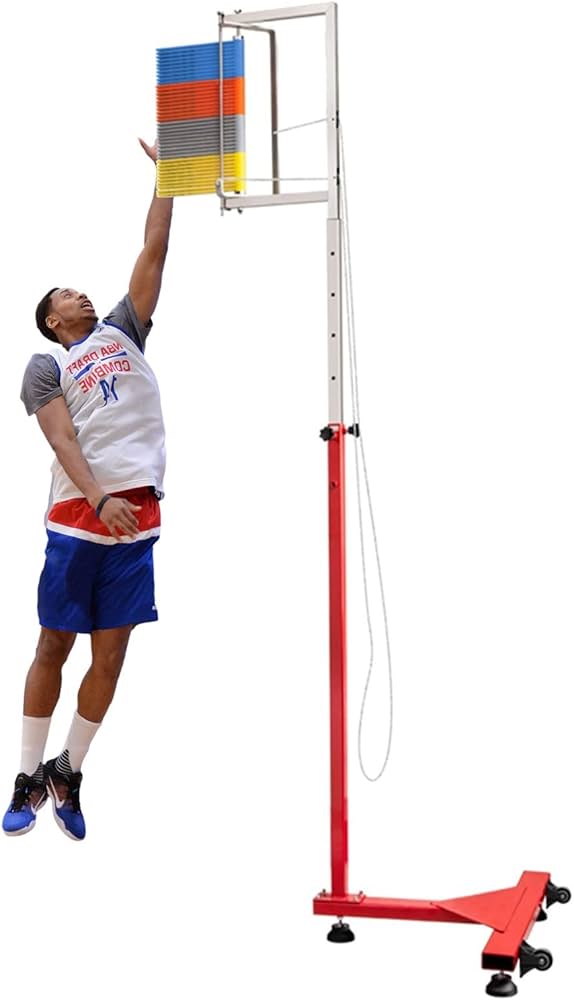
Step 1: Practice on a Lowered Rim
If you have access to an adjustable hoop, lower it just enough so you still need to jump hard to dunk.
Why this works:
- Builds confidence
- Trains correct dunking mechanics
- Reinforces timing and coordination
Gradually raise the rim as you improve until you reach regulation height.
Step 2: Use Smaller Balls First
Start dunk training with easier-to-control balls:
- Tennis ball
- Volleyball
- Youth basketball
- Regulation basketball
If you can’t palm the ball, practice two-hand gathers and release the ball at the last moment.
Step 3: Improve Your Vertical Jump
Dunking is mostly about explosive leg power.
Best exercises to increase vertical jump:
- Squats
- Lunges
- Deadlifts
- Box jumps
- Broad jumps
- Depth jumps
Training tips:
- Train legs 2–3 times per week
- Focus on quality reps, not exhaustion
- Rest days matter for vertical gains
Step 4: Master Proper Jumping Technique
There is no “correct” way to jump—only what works best for your body.
Jumping off one foot
Best for: lighter, faster players
Advantages:
- Higher approach speed
- Easier one-hand dunks
Disadvantages: - More stress on knees
- Requires better ball control
Jumping off two feet
Best for: stronger or heavier players
Advantages:
- More power from hips
- Safer on joints
Disadvantages: - Slower gather
- Easier to defend in games
Try both and stick with the one that gives you the highest jump.
Step 5: Learn to Finish the Dunk Safely
Dunking increases injury risk if done incorrectly.
Safety tips:
- Avoid hanging on the rim unless needed to prevent falling
- Land with knees bent and balanced
- Avoid dunking in heavy traffic early on
- Stop if knees or ankles feel painful
Remember: dunking is exciting—but staying healthy matters more.
Can Shorter Players Learn to Dunk?
Yes. Height helps, but it’s not everything.
Many shorter players dunk because they have:
- High vertical jumps
- Low body weight
- Excellent timing
Focus on explosiveness, not just strength.
Advanced Dunk Types (After You Can Dunk Consistently)
Once you can dunk reliably, you can train variations:
- One-hand dunk
- Two-hand dunk
- Reverse dunk
- Windmill dunk
- 360° dunk
These require more height, control, and practice—don’t rush them.