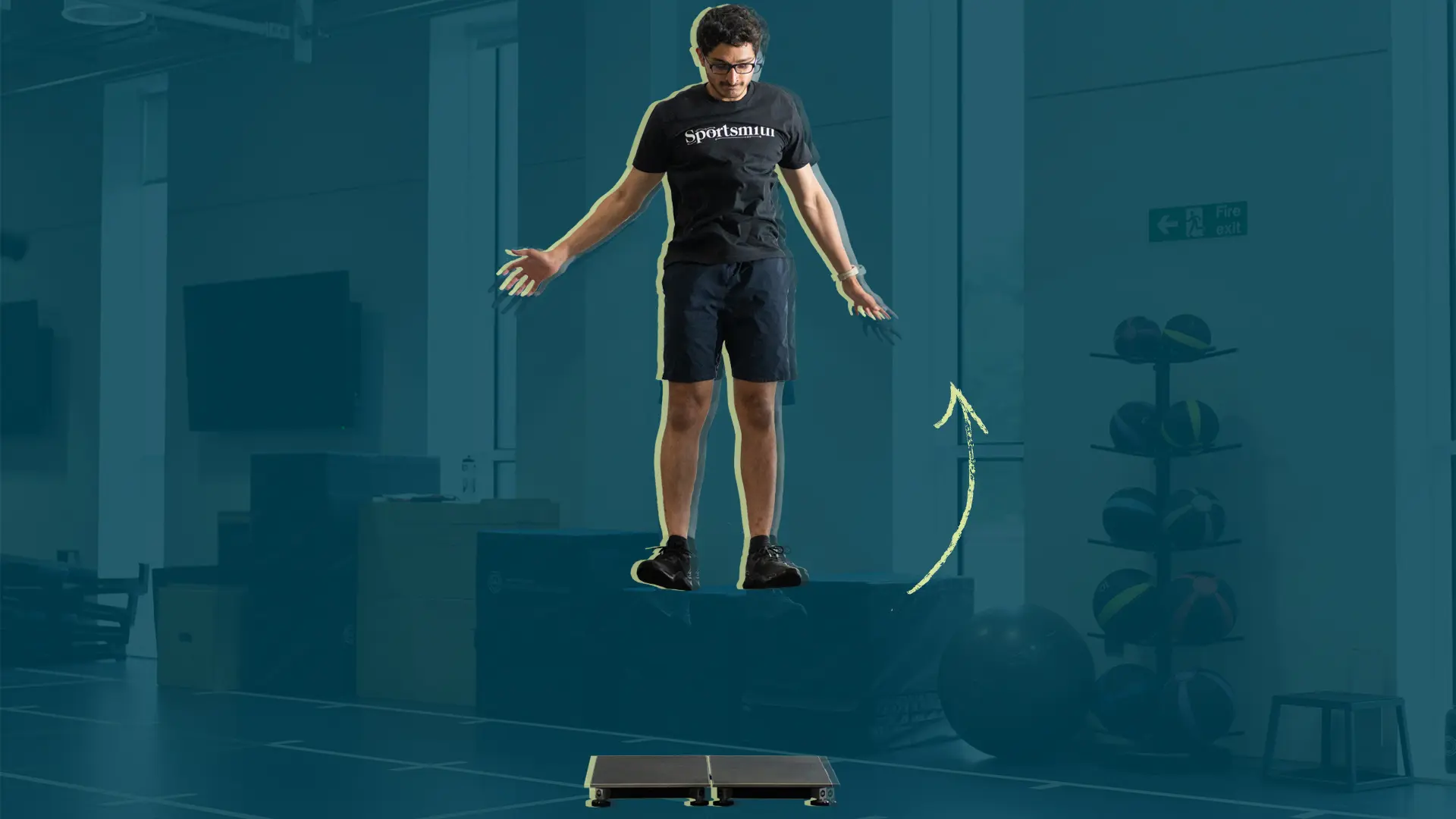
For many athletes, increasing vertical jump height feels like an endless cycle of trial and error. You jump more, train harder, and push your body to its limits—yet the results barely change. Despite countless workouts, flashy social media drills, and “secret” jump programs, progress often stalls.
The truth is that most athletes aren’t failing because they lack effort. They’re failing because they’re following outdated or incomplete vertical jump training methods that don’t address how explosiveness is actually developed.
In this article, we’ll break down the most common mistakes athletes make when training their vertical jump—and what truly works if your goal is sustainable, measurable improvement.
The Biggest Myth in Vertical Jump Training
One of the most common misconceptions is that jumping higher simply means jumping more. While repetition plays a role, endless max-effort jumps without structure often lead to fatigue, poor mechanics, and even injury.
Vertical jump performance is influenced by several key factors:
- Strength production
- Rate of force development
- Neuromuscular coordination
- Proper jumping mechanics
- Recovery and adaptation
Ignoring any of these elements leads to plateaus, no matter how hard you train.

Mistake #1: Ignoring Strength Foundations
Many athletes rush straight into plyometrics without building the strength required to support explosive movement. While plyometric training is essential, it should be layered on top of a solid strength base.
Athletes with insufficient lower-body strength often struggle to:
- Absorb force during landing
- Transfer force efficiently during takeoff
- Maintain proper joint alignment
Effective vertical jump training starts with building strength in key movement patterns such as squats, hinges, and single-leg exercises.
Mistake #2: Poor Jump Technique
Jumping higher isn’t just about power—it’s about efficiency. Small technical flaws can significantly reduce jump height, even in strong athletes.
Common technique issues include:
- Inefficient arm swing
- Poor hip-shoulder timing
- Excessive knee collapse
- Improper foot placement
Addressing technique allows athletes to use the strength they already have more effectively. This is why video analysis and coached feedback are essential tools in improving jump performance.
Mistake #3: Overusing Plyometrics
Plyometrics are powerful—but they are also demanding on the nervous system. Too much high-intensity jumping too often can lead to stagnation or injury.
Smart vertical jump training programs balance:
- Low-intensity plyometrics
- High-intensity reactive drills
- Adequate recovery between sessions
Quality always beats quantity when it comes to explosive power development.
The Role of Assessment in Vertical Jump Progress
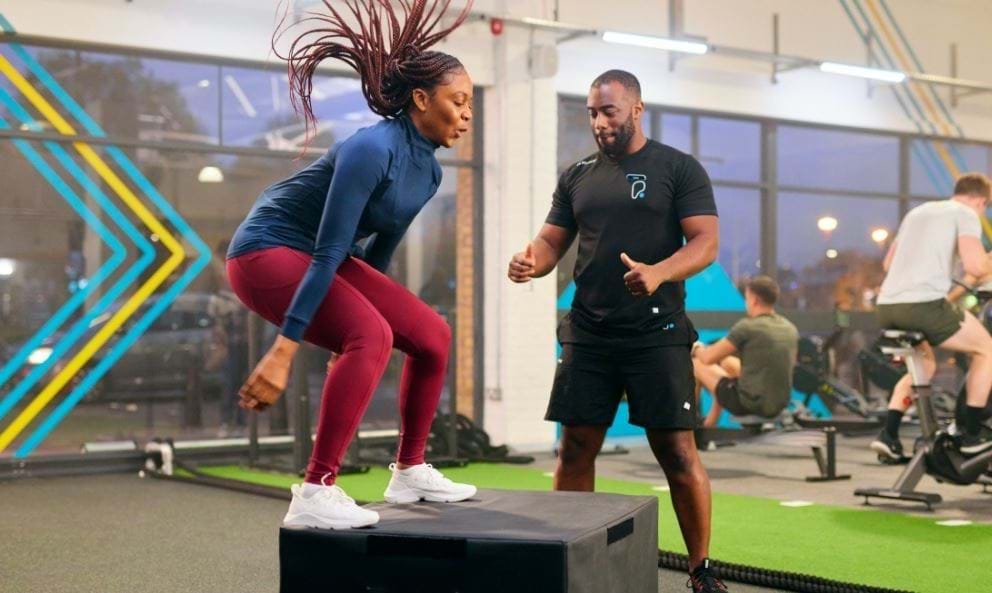
Before improving performance, athletes must understand their starting point. A proper assessment helps identify:
- Strength imbalances
- Mechanical inefficiencies
- Power output limitations
At Vertmaxx, we emphasize assessment-driven training because it removes guesswork. When training decisions are based on data, athletes progress faster and safer.
What Actually Works: Evidence-Based Vertical Jump Training
So what separates athletes who improve consistently from those who stay stuck?
The answer is a structured, evidence-based approach that integrates:
- Progressive strength development
- Targeted plyometric progressions
- Technique refinement
- Adequate recovery
- Ongoing performance tracking
Rather than chasing viral drills, successful athletes commit to systems that respect how the body adapts over time.
Why Consistency Beats Intensity
Many athletes train hard—but not consistently. Jump performance improves through repeated exposure to properly dosed training over weeks and months.
Short bursts of extreme intensity may feel productive, but long-term progress depends on:
- Sustainable workloads
- Planned progression
- Intelligent deloads
This approach not only improves vertical jump height but also reduces injury risk.
Applying These Principles to Your Training
If your goal is to increase your vertical jump, start by asking yourself:
- Do I have a clear training plan?
- Am I tracking my progress objectively?
- Is my technique helping or hurting my performance?
If the answer to any of these is “no,” it’s time to rethink your approach.
Conclusion
Improving your vertical jump isn’t about doing more—it’s about doing what works. Athletes who focus on structured training, proper mechanics, and long-term development consistently outperform those chasing shortcuts.
If you’re ready to stop guessing and start progressing, evidence-based vertical jump training is the path forward.