The Power of Plyometric Workouts: Unlock Explosive Athletic Performance
Meta Description:
Discover how plyometric workouts build explosive athletic power. Learn proven drills, science-backed methods, and start training with VertMaxx today.
Introduction – Why Explosive Training Matters

If you want to stand out as an athlete, lifting more in the weight room isn’t enough. You need that pop—the ability to explode off the floor for a dunk, launch into a big block at the net, or blow past a defender on your first step. That next level of performance comes from training your body to move fast, not just hard. That’s where plyometric workouts come in.
Plyometrics focus on explosive movements that train your muscles, tendons, and nervous system to react quickly and powerfully. When you see a player sky for a rebound or change direction in an instant, you’re seeing the results of explosive training in action.
At VertMaxx, we build plyometric workouts into every vertical jump and speed program because they target the exact systems responsible for quickness, bounce, and athletic confidence. In this guide, you’ll learn what plyometrics are, how they work, and how to use them safely to unlock your own explosive power.
What Are Plyometric Workouts?
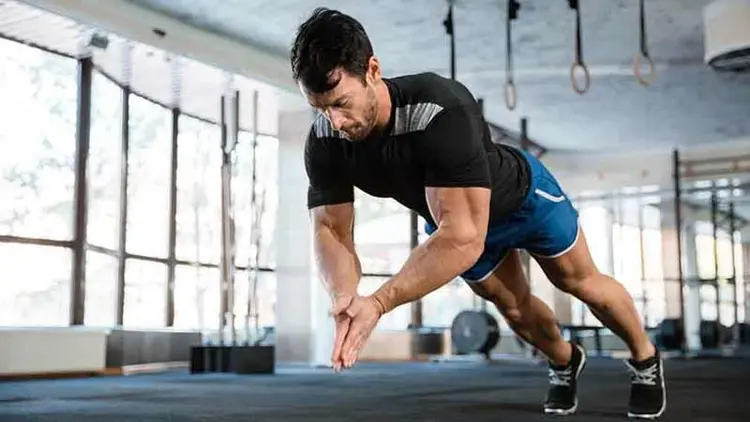
Plyometric workouts, often called “jump training,” are built around fast, powerful movements like jumps, hops, and bounds. The goal is simple: produce as much force as possible in the shortest amount of time.
Common plyometric exercises include:
- Jump squats
- Box jumps
- Lateral bounds
- Depth jumps
- Single-leg hops
These movements target your fast-twitch muscle fibers, which are responsible for explosive actions like jumping, sprinting, and quick changes of direction. Instead of slow, controlled reps like traditional strength training, plyometrics ask your muscles to fire instantly.
When you do plyometric workouts consistently and with good form, your body learns to turn stored energy into powerful upward or forward motion. That means higher vertical jumps, faster sprints, and more confidence every time you move on the court or field.
The Science Behind Explosive Power
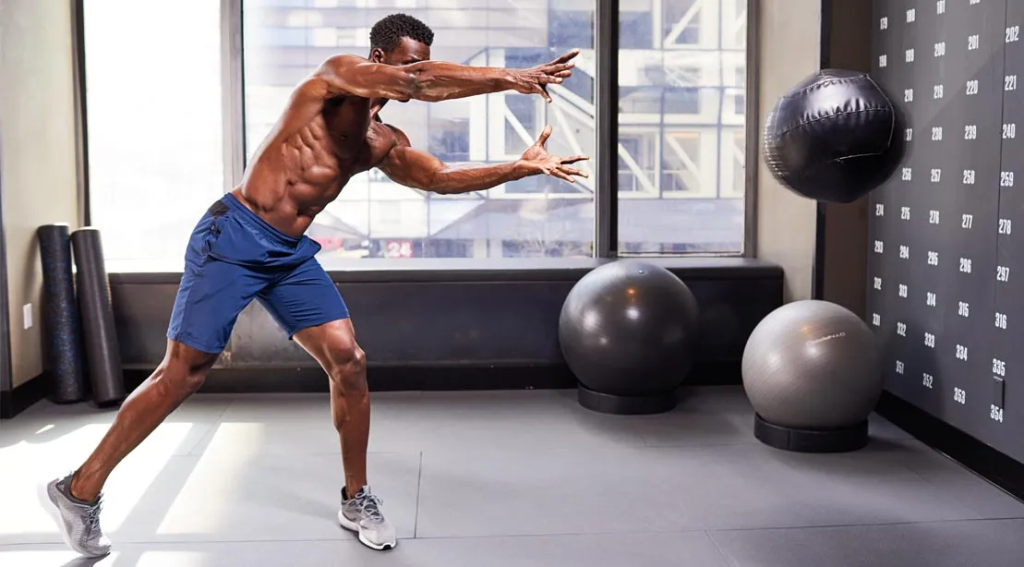
To understand why plyometric workouts are so effective, you need to know about the stretch-shortening cycle (SSC). This is the process your muscles go through during explosive movements:
- Eccentric phase (stretch): Your muscles lengthen as you load up a movement. Example: dropping down before a jump.
- Amortization phase (transition): A super fast “switch” moment between stretching and contracting.
- Concentric phase (shorten): Your muscles contract explosively. Example: driving up off the ground into a jump.
Plyometrics train your body to move through this cycle faster and more efficiently. The quicker you can go from the stretch to the explosion, the more power you produce.
Here are a few science-backed plyometric exercises you can plug into your training:
- Box Jumps – 3 sets of 6–8 reps
- Focus: Soft landings, full extension at the top.
- Focus: Soft landings, full extension at the top.
- Depth Jumps – 3 sets of 4–6 reps
- Step off a box, land, and immediately explode into a vertical jump.
- Step off a box, land, and immediately explode into a vertical jump.
- Bounding Sprints – 4 × 20 yards
- Long, powerful strides focusing on hang time and drive.
- Long, powerful strides focusing on hang time and drive.
When your nervous system adapts to these plyometric workouts, it becomes more efficient at firing the right muscles at the right time. That’s how you turn raw strength into explosive jump training that actually shows up in real games.
Internal link idea: In this section or the next, link “vertical jump training tips” to
https://www.vertmaxxing.com/blog/vertical-jump-training-tips.
Benefits of Plyometric Workouts Beyond Jumping
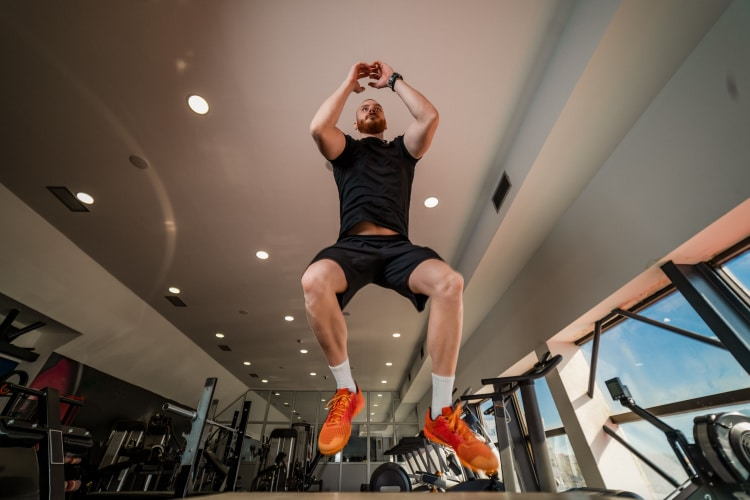
Most athletes think plyometrics are only about jumping higher, but the benefits go way beyond that.
1. More Speed and Faster First Step
Shorter ground contact time means you can push off the floor more quickly. That translates into faster acceleration, better cuts, and the ability to react faster than your defender.
2. Better Coordination and Balance
Many plyometric movements are done on one leg, across multiple planes (forward, sideways, diagonal). This improves body control, balance, and coordination—critical for staying in control at high speed.
3. Stronger Tendons and Joints
Over time, well-programmed plyometric workouts help strengthen your tendons and connective tissue. This can improve durability and reduce the risk of certain injuries, especially when combined with strength training and proper recovery.
4. More Overall Explosiveness
Plyometrics improve how quickly your muscles can generate force. That means higher jumps, more powerful direction changes, and a more explosive overall playing style.
If you want more ideas on stretching, foam rolling, and recovery tools that support intense training like this, check out our guide to athlete recovery techniques.
Common Plyometric Mistakes to Avoid
Because plyometric workouts are high impact, they can do more harm than good if you don’t approach them correctly. Here are some of the most common mistakes athletes make:
1. Skipping the Warm-Up
Jumping straight into max-effort jumps with cold muscles is asking for trouble. Always start with 5–10 minutes of dynamic warm-up: leg swings, lunges, hip circles, light jogging or shuffles.
2. Doing Too Much, Too Soon
Plyometrics are about quality, not chaos. If you’re doing 100+ sloppy jumps in a session, you’re probably overdoing it. Start with a small number of sets and reps, then build up gradually as your form and strength improve.
3. Adding Weight Before You’re Ready
You might see athletes doing weighted jumps or holding a medicine ball. That’s advanced. If you can’t land softly, control your knees, and maintain good posture, you’re not ready for extra load yet.
4. Poor Landing Mechanics
Landing with locked knees, caving knees, or on your toes only is a huge red flag. Think “quiet feet” and “soft knees.” Your hips, knees, and ankles should all help absorb the impact.
At VertMaxx, our coaches focus on movement quality first. We’d rather see you do 10 perfect reps than 50 sloppy ones. Clean, technically sound plyometric workouts will always beat reckless volume.
How to Add Plyometric Workouts to Your Weekly Training
You don’t need to turn every practice into a jump marathon. The goal is to plug in plyometric workouts in a way that boosts performance without burning you out.
For most athletes, 1–2 plyometric sessions per week is a good starting point, especially if you’re also lifting and playing your sport.
Sample Beginner Plyometric Session
Warm-Up (5–10 minutes)
- Light jog or jump rope
- Dynamic stretches (leg swings, lunges, hip openers)
Main Plyometric Block
- Squat Jumps – 3 × 8 reps
- Lateral Hops (side-to-side) – 3 × 10 reps each direction
- Forward Bounds – 4 × 15–20 meters
Optional Vertical Focus Finisher
- Standing Vertical Jumps – 3 × 5 reps
- Focus on max height and quick ground contact.
- Focus on max height and quick ground contact.
Cool-Down (5–10 minutes)
- Light walking
- Static stretching
- Foam rolling
As you get stronger and more comfortable, you can move into more advanced explosive jump training drills like depth jumps, single-leg bounds, and combination movements.
Don’t Skip Recovery: Protect Your Joints and Gains

Plyometrics are demanding. Every powerful jump and landing sends force through your feet, ankles, knees, and hips. That’s why recovery isn’t optional—it’s part of the training.
Key recovery strategies to support plyometric workouts:
- Sleep: Aim for 8+ hours when you’re in a heavy training phase.
- Nutrition: Fuel with enough protein, carbs, and healthy fats to repair muscle tissue.
- Active Recovery Days: Light shooting, easy ball handling, walking, biking, or mobility work instead of more heavy jumping.
- Soft Tissue Work: Foam rolling, massage gun, and dynamic mobility drills to keep your muscles loose.
If you’re constantly sore, losing your bounce, or feeling slower, it might be a sign you’re doing too much. Use rest days as tools—not signs of weakness.
Internal link reminder: Somewhere in this section, you can naturally link the phrase “athlete recovery techniques” to your recovery blog post again if it fits well.
Conclusion – Take Your Game to New Heights with VertMaxx
When you look at explosive athletes—those players who jump higher, move quicker, and dominate the game—it’s not an accident. They’ve trained their bodies to be powerful on purpose. Plyometric workouts are one of the most effective ways to build that kind of explosive ability.
By learning how the stretch-shortening cycle works, avoiding common mistakes, and following a smart progression, you can safely increase your vertical, speed, and overall athletic performance. Whether you’re chasing your first dunk, trying to own the boards, or just want to feel more explosive every time you step onto the court, jump training is a game changer.
At VertMaxx, we combine plyometric workouts, strength training, and vertical jump science into step-by-step programs built for real athletes—not just highlight reels. If you’re ready to stop guessing and start following a proven plan, we’d love to help you get there.