Primary Keyword: jump recovery
Secondary Keywords: muscle recovery, injury prevention, athlete recovery tips
Introduction: Recovery Is Where Gains Are Made
Most athletes push themselves hard in the gym — but few understand that real progress happens after training.
When you rest, your body rebuilds stronger muscles, repairs tissue, and adapts to the stress you’ve placed on it.
Neglecting recovery doesn’t just slow progress — it leads to fatigue, poor performance, and injuries that can wipe out weeks of work.
If you want to jump higher and train longer, recovery and injury prevention must be part of your routine — not an afterthought.

1. Why Recovery Matters
Every jump, sprint, or lift creates microscopic tears in your muscles. Recovery allows those fibers to rebuild thicker and more powerful.
When you skip recovery, your body never fully repairs, which leads to weaker performance and higher injury risk.
Signs you’re under-recovered include:
- Constant soreness or tightness
- Declining jump height or strength
- Low energy and motivation
- Trouble sleeping
Listening to these signals is key — your body is telling you it needs time to heal.
2. The Three Pillars of Effective Recovery
To recover properly, you need to master three essentials: sleep, nutrition, and movement.
Sleep:
This is where the real rebuilding happens. During deep sleep, your body releases growth hormones that repair muscle tissue.
Aim for 8 hours per night, and maintain a consistent schedule. No sleep, no gains.
Nutrition:
What you eat fuels recovery.
- Protein rebuilds damaged muscle fibers.
- Carbohydrates refill your energy stores.
- Healthy fats support joints and hormones.
Focus on balanced meals and hydration after every workout.
Movement:
Active recovery keeps blood flowing, reducing stiffness and soreness. Try light stretching, yoga, or an easy bike ride on rest days. Movement heals faster than total inactivity.
3. Preventing Injuries Before They Start
Injury prevention begins with consistency and awareness. Small adjustments to your routine can save you from major setbacks.
Warm up before training:
Spend 10 minutes on dynamic movements like leg swings, lunges, and jump rope. Warming up raises your body temperature and prepares joints for impact.
Strengthen stabilizers:
Don’t neglect smaller muscles like your hip flexors, calves, and ankles. These are your shock absorbers.
Add single-leg balance drills or resistance band work to your program twice a week.
Perfect your landing:
Most jump-related injuries happen on the way down.
Practice soft, controlled landings — knees bent, chest up, and weight centered. Every rep teaches your body to absorb force safely.
4. The Role of Mobility and Flexibility
Tight muscles limit how high you can jump and increase injury risk. Flexibility keeps your body moving efficiently.
Spending just 10–15 minutes daily on mobility work can drastically improve performance.
Try:
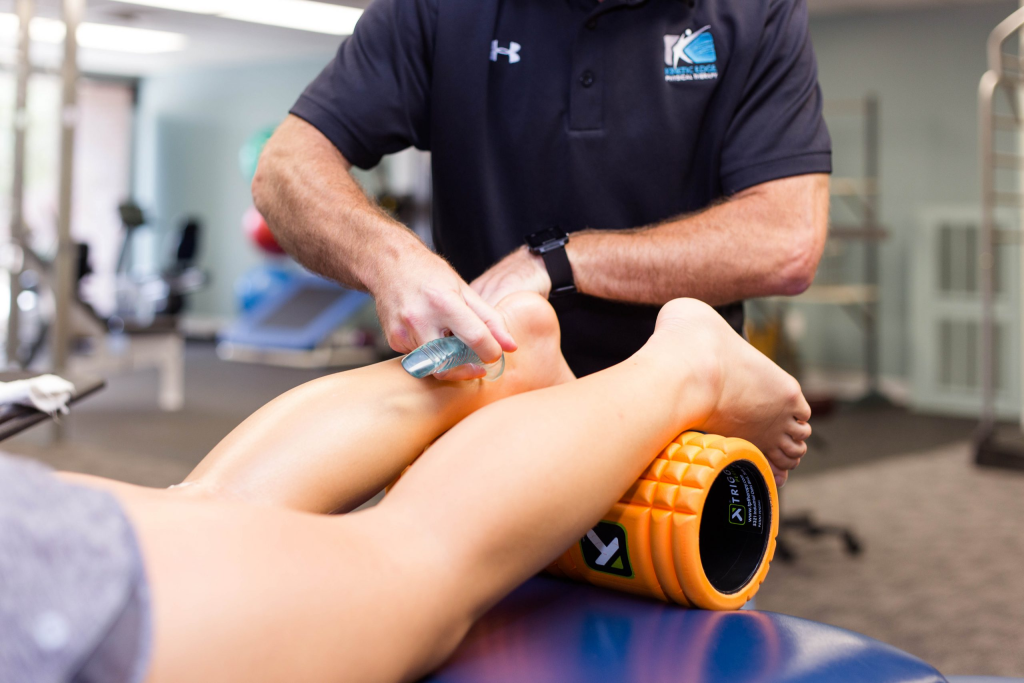
- Foam rolling for calves, hamstrings, and quads
- Hip openers to improve explosive drive
- Ankle mobility drills to enhance takeoff stability
Consistency here pays off — mobile joints mean more efficient power transfer and fewer tweaks during intense training.
5. Recovery Tools That Work
You don’t need expensive equipment to recover like an athlete — just smart habits and a few simple tools:
- Foam roller: break up tight spots and improve circulation
- Massage gun: target deep tension after workouts
- Cold showers or ice baths: reduce inflammation
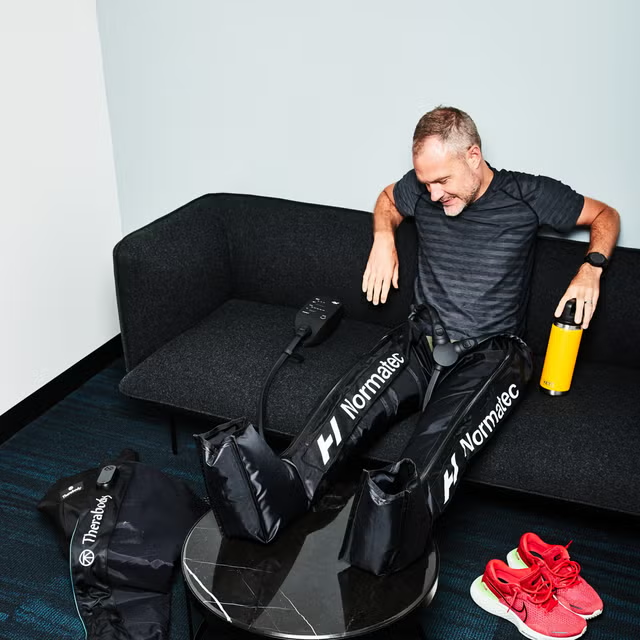
- Compression gear: improve blood flow post-training
These tools speed up the process but should never replace rest, nutrition, or proper sleep.
Conclusion: Longevity Builds Greatness
Jumping higher isn’t just about effort — it’s about sustainability.
You can’t improve if you’re constantly injured or burned out.
By prioritizing recovery, mobility, and smart prevention, you’ll train harder, feel better, and keep improving long after others have plateaued.
Train hard — but recover harder. That’s the VertMaxx difference.
Call to Action
Ready to train smarter and last longer?
Join the VertMaxx Recovery Phase to access guided mobility routines and recovery protocols designed for serious jump athletes.