Introduction: The Desire to Jump Higher
Every athlete has dreamed of jumping higher—whether to dunk, spike, or dominate on the court. The good news is that vertical jump improvement comes down to proper strength, technique, and consistency. This guide outlines five proven methods anyone can use to increase their vertical jump safely and effectively.

1. Strength Training Builds Power
Squats, lunges, and deadlifts are essential for building explosive power. Focus on progressive overload by slowly increasing your weights over time while maintaining proper form.
Tip: Track your lifting progress weekly to measure strength gains.
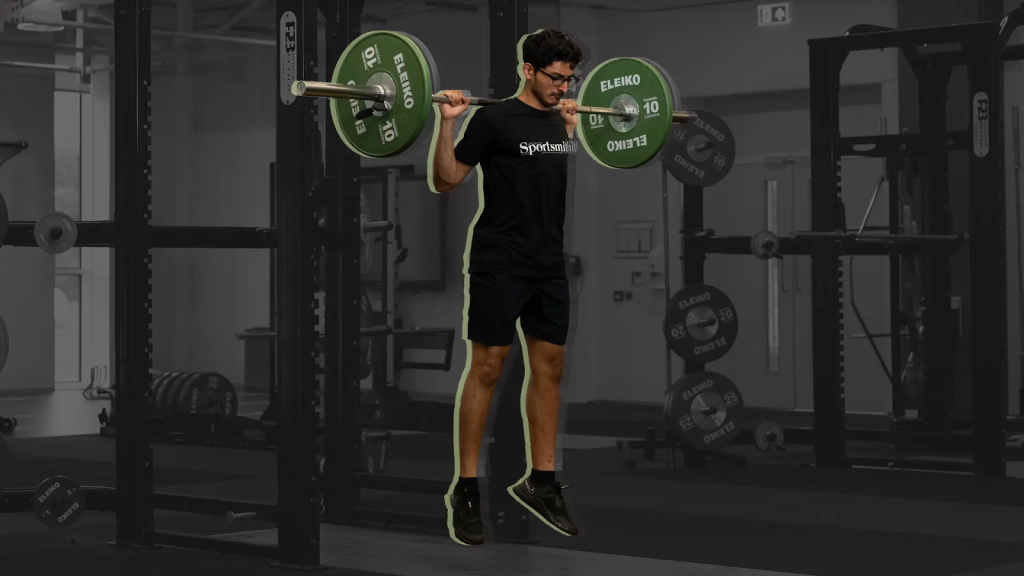
2. Plyometrics Develop Explosiveness
Plyometric drills—like jump squats, depth jumps, and bounding—train the fast-twitch muscle fibers responsible for jumping power. Incorporate these into your workouts twice a week for best results.
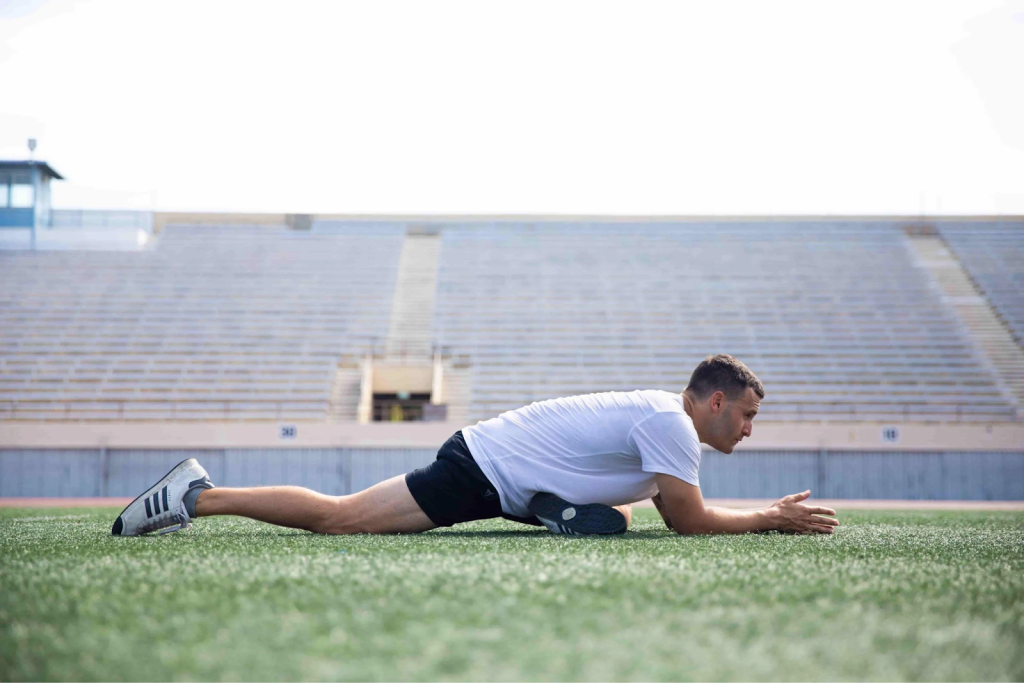
3. Mobility Enhances Form
Limited mobility in the hips or ankles can decrease jump height. Dynamic warm-ups and stretches improve your body’s range of motion, reducing the risk of injury.
4. Recovery Fuels Progress
Recovery isn’t laziness—it’s where growth happens. Sleep, nutrition, and rest days help muscles repair and rebuild, allowing your vertical jump to keep improving.
5. Consistency Wins
Jumping higher doesn’t happen overnight. By following a structured plan and recording your results, you’ll see steady improvement over time.
Conclusion
Jumping higher requires dedication, structure, and patience. By applying these techniques and staying consistent, athletes can achieve real, measurable results.
Call to Action: Start your Vertmaxx training today and document your progress every week.
Social Media Post Proof
Platform 1 (Instagram)
Blog #2: The Science Behind Jump Training — How Your Muscles Learn to Fly
Primary Keyword: vertical jump training
Secondary Keywords: muscle activation, plyometric exercises
Introduction: The Science of Explosive Power
Jumping is a full-body movement driven by muscle, coordination, and timing. Understanding the science behind it can make your training more effective and your results more predictable.
[Insert Photo 1: Close-up of leg muscles during squat. Alt text: athlete muscle activation during squat exercise.]
1. Fast-Twitch Muscle Fibers
These muscle fibers contract quickly and with great force. Plyometric training activates and strengthens them, making them the key to explosive jumping power.
2. The Stretch-Shortening Cycle
This natural reflex allows your muscles to store elastic energy during movement, helping you jump higher. Proper plyometric training maximizes this process.
[Insert Photo 2: Trainer demonstrating jump mechanics. Alt text: coach explaining stretch-shortening cycle to athlete.]
3. Coordination and Timing
Jumping isn’t just about power—it’s about timing your body’s movement from feet to fingertips. Drills that emphasize rhythm and landing control can drastically improve vertical height.
4. Nutrition for Performance
What you eat affects how well you perform. A balance of carbohydrates, proteins, and healthy fats fuels energy and muscle recovery.
5. Tracking Data and Progress
Measure your jump height every two weeks using an app or wall test. Record progress to identify what’s working and where to improve.
[Insert Photo 3: Athlete measuring vertical jump height against wall. Alt text: measuring vertical jump progress.]
Conclusion
Science proves that structured, consistent training is the best path to results.
Call to Action: Follow the Vertmaxx system to apply these scientific methods to your own training.
Social Media Post Proof
Platform 1 Facebook

Blog #3: Avoid These 7 Jump Training Mistakes That Are Holding You Back
Primary Keyword: jump training mistakes
Secondary Keywords: athlete recovery, injury prevention
Introduction: Training Smarter Starts with Awareness
Most athletes focus on working harder—but working smarter is what delivers results. Avoiding these seven common mistakes can make the difference between frustration and progress.

1. Skipping Warm-Ups
Cold muscles reduce power output and increase injury risk. Always warm up for at least 10 minutes before explosive movements.
2. Overtraining
More is not always better. Without rest, muscles cannot rebuild, and performance declines.
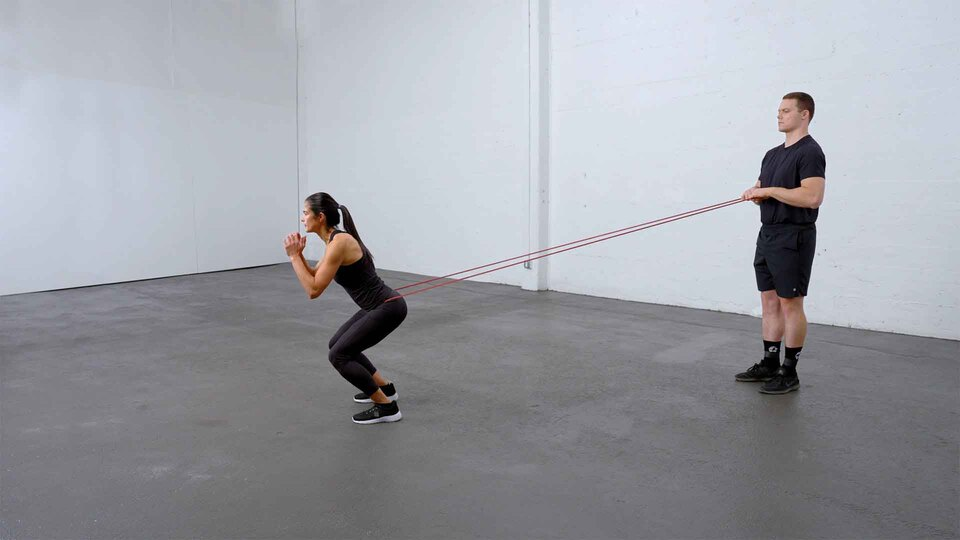
3. Ignoring Mobility
Poor flexibility limits jumping mechanics. Use resistance bands and dynamic stretches to improve movement range.
4. Bad Form
Improper jump or landing form strains joints. Use mirrors or video feedback to correct technique.
5. Skipping Strength Work
Power comes from strength. Include squats, lunges, and core exercises in every routine.
6. Poor Nutrition
Without adequate fuel, progress stalls. Eat balanced meals to recover faster and maintain energy.
7. Lack of Consistency
Progress takes time. Skipping workouts or failing to track progress slows improvement.
[Insert Photo 3: Athlete tracking workout data on phone. Alt text: tracking jump training progress with app.]
Conclusion
The path to success is avoiding common pitfalls. Apply discipline, track progress, and stay consistent for measurable results.
Call to Action: Review your training routine and apply the Vertmaxx principles for better results.
Blog #3: Avoid These 7 Jump Training Mistakes That Are Holding You Back
Primary Keyword: jump training mistakes
Secondary Keywords: athlete recovery, injury prevention
Introduction: Training Smarter Starts with Awareness
Most athletes believe that working harder automatically leads to better results, but that’s not always true. In reality, how you train is just as important as how much you train. Even the most dedicated athletes can limit their progress by repeating small but costly mistakes in their workouts.
Avoiding these seven common jump training mistakes can make the difference between frustration and measurable improvement. By training smarter—not just harder—you can increase your vertical, stay healthy, and see steady gains in performance.
1. Skipping Warm-Ups
One of the biggest jump training mistakes athletes make is skipping their warm-up. Jumping requires full muscle activation, balance, and coordination, and none of those are possible when your body is cold. Cold muscles have limited elasticity, which reduces power output and increases the risk of injury.
A proper warm-up should last 10 to 15 minutes and include dynamic movements that mimic the exercises in your workout. Examples include jumping jacks, high knees, leg swings, and light jogging. A solid warm-up prepares your muscles, joints, and nervous system to perform at their best and helps prevent common injuries like hamstring strains or ankle sprains.
2. Overtraining
Many athletes think more training equals faster progress, but overtraining is one of the most common reasons for stalled results. Your muscles need rest to repair and grow stronger. Without recovery, fatigue builds up, form breaks down, and performance drops.
To avoid overtraining, schedule at least one full rest day per week and limit high-intensity jump workouts to three or four sessions weekly. Listen to your body—if you’re constantly sore, tired, or losing motivation, it’s a sign that your body needs more recovery time.
Remember: progress happens during recovery, not during the workout itself.
3. Ignoring Mobility
Neglecting mobility is another major mistake that limits jump potential. Flexibility and range of motion play a key role in jumping mechanics. Tight hips, ankles, and hamstrings can reduce how effectively you generate power and absorb force during landings.
Incorporate mobility work before and after training sessions. Use resistance bands for hip stretches, perform ankle circles, and try deep squats to open up your joints. Even spending 5–10 minutes daily on mobility can dramatically improve your form and reduce the risk of injury.
4. Bad Form
No amount of effort can make up for poor form. Incorrect technique during jumps or landings wastes energy and puts unnecessary stress on your knees, hips, and lower back. Bad form also prevents you from fully engaging the muscles that produce vertical lift.
Film your jumps or perform them in front of a mirror to analyze your movement. Focus on maintaining a straight posture, keeping knees aligned with toes, and landing softly on the balls of your feet to absorb impact. Over time, improved technique will make your movements more efficient and powerful.
5. Skipping Strength Work
Jumping isn’t only about jumping—it’s about strength. Some athletes rely entirely on jump-specific drills and skip foundational strength training. However, without adequate leg and core strength, your body can’t generate enough force to produce real height gains.
Exercises like squats, lunges, Romanian deadlifts, and planks build the power base needed for explosive jumping. Prioritize compound movements that target multiple muscle groups, and aim to train strength two to three times per week. A stronger foundation means greater stability, control, and upward force during every jump.
6. Poor Nutrition
Nutrition is often overlooked, but it directly affects energy, endurance, and recovery. Without the right fuel, your body simply can’t perform at its best. Eating too little or skipping meals leads to fatigue, slower reaction times, and reduced jump performance.
A well-balanced diet should include complex carbohydrates for sustained energy, lean proteins to repair muscle tissue, and healthy fats for joint and hormone support. Staying hydrated is equally important—dehydration decreases muscle efficiency and increases the risk of cramps.
Small dietary changes, like eating a pre-workout snack or post-training recovery meal, can make a big difference in how you perform and recover.
7. Lack of Consistency
Perhaps the most damaging of all jump training mistakes is inconsistency. You can have the best program in the world, but it’s useless if you only follow it occasionally. Consistent effort—week after week—is what produces real progress.
Set a schedule and stick to it. Track your workouts, measure your vertical every two weeks, and celebrate small improvements. Each inch gained is a sign of progress that will motivate you to keep going.
[Insert Photo 3: Athlete tracking workout data on phone. Alt text: tracking jump training progress with app.]
Conclusion: The Path to Sustainable Success
Success in jump training doesn’t come from shortcuts or guesswork—it comes from discipline, awareness, and smart adjustments. By avoiding these common mistakes, you can improve performance, prevent injury, and maintain steady growth over time.
Stay consistent, recover properly, and pay attention to your body’s feedback. With the right balance of effort and intelligence, you’ll see your vertical jump—and overall athletic performance—reach new heights.