Primary Keyword: strength training for vertical jump
Secondary Keywords: leg strength, explosive power, vertical jump workout
Introduction: Power Starts with Strength
Every athlete wants to jump higher — but many overlook the foundation that makes it possible: strength.
Building a higher vertical isn’t just about jumping more; it’s about training your body to produce maximum force in minimum time.
Strength training develops the muscles, stability, and explosiveness that separate elite jumpers from everyone else.
If you’ve been grinding through jump workouts without seeing results, it might be time to focus on what happens in the weight room.
1. The Force Behind Every Jump
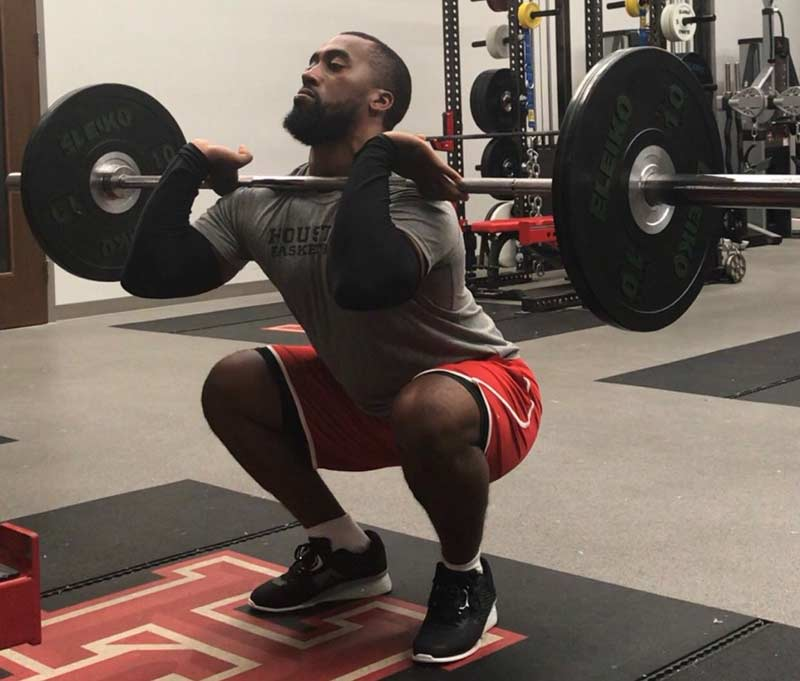
To jump higher, your body must generate more force against the ground. Strength training improves your ability to produce that force through the lower body — especially in the glutes, quads, hamstrings, and calves.
The stronger those muscles become, the more efficiently you can transfer power upward.
Exercises like squats, deadlifts, and lunges build this foundation. Start with controlled movements, focusing on form and range of motion. As your strength increases, your body learns to push harder, faster, and higher.

2. Core Stability = Controlled Power
A strong vertical jump doesn’t just come from the legs — your core connects every movement.
When you jump, your torso stabilizes your hips and transfers power from your lower body to your upper body.
Without a strong core, energy leaks through weak posture or poor landing control.
Add planks, hanging leg raises, and rotational exercises to your weekly routine. Even 10 minutes of focused core work after training can lead to major gains in stability and control.
3. Don’t Skip the Posterior Chain
Most athletes focus on their quads but forget about the muscles on the back side — the hamstrings and glutes. These muscles are the key drivers of hip extension, which directly impacts your jump height.
Try incorporating:
- Romanian Deadlifts – for explosive hip power
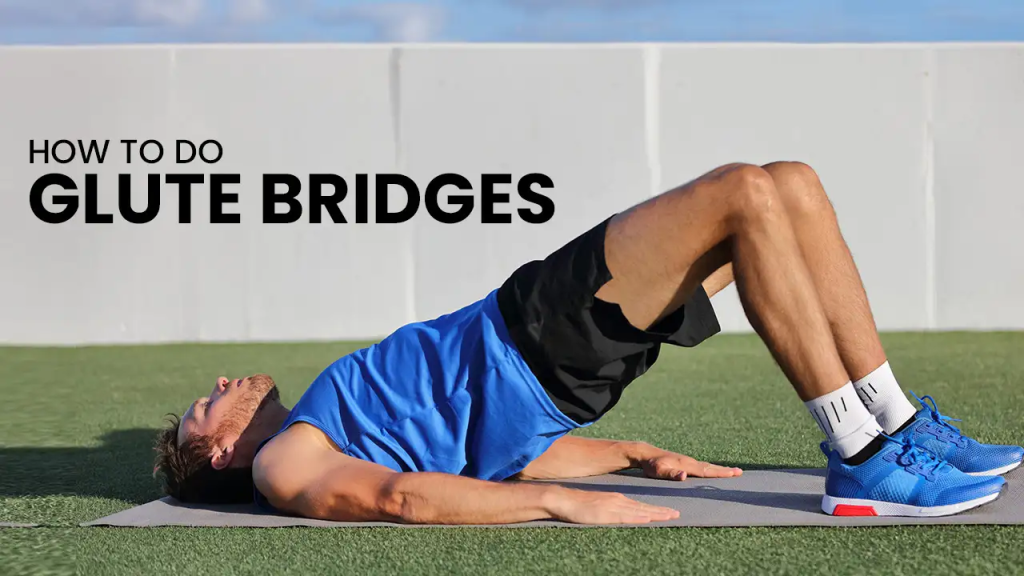
- Glute Bridges – to build strength at lockout
- Nordic Curls – for hamstring resilience and injury prevention
Training your posterior chain builds balance, protects your knees, and gives you that “spring” when you take off.
4. Lift Heavy, But Smart
Heavy lifting stimulates muscle fibers responsible for explosive power — especially the fast-twitch fibers that fire during jumps.
Keep your form clean and your reps low (4–6 per set). Rest 1–2 minutes between sets to recover fully.
However, strength alone isn’t enough. Once you build a solid foundation, combine heavy lifts with speed-based movements like box jumps, medicine ball throws, and sprints to translate strength into vertical power.
5. Rest and Recovery Fuel Results
Strength training breaks your muscles down so they can rebuild stronger.
Without proper recovery, your performance plateaus.
Aim for 7–9 hours of sleep, eat balanced meals rich in protein, and take at least one full rest day per week.
Remember — progress doesn’t happen while lifting; it happens while you recover.
Conclusion: Build the Power, Then Rise
If you want to jump higher, start by getting stronger. Strength training doesn’t just build muscle — it builds the foundation for explosive power, balance, and athletic confidence.
Combine your VertMaxx jump workouts with consistent strength training, and you’ll not only see inches added to your vertical — you’ll feel unstoppable on the court.
Call to Action
Ready to turn your strength into real vertical gains?
Start your VertMaxx Power Phase today and see how focused strength training transforms your jump.